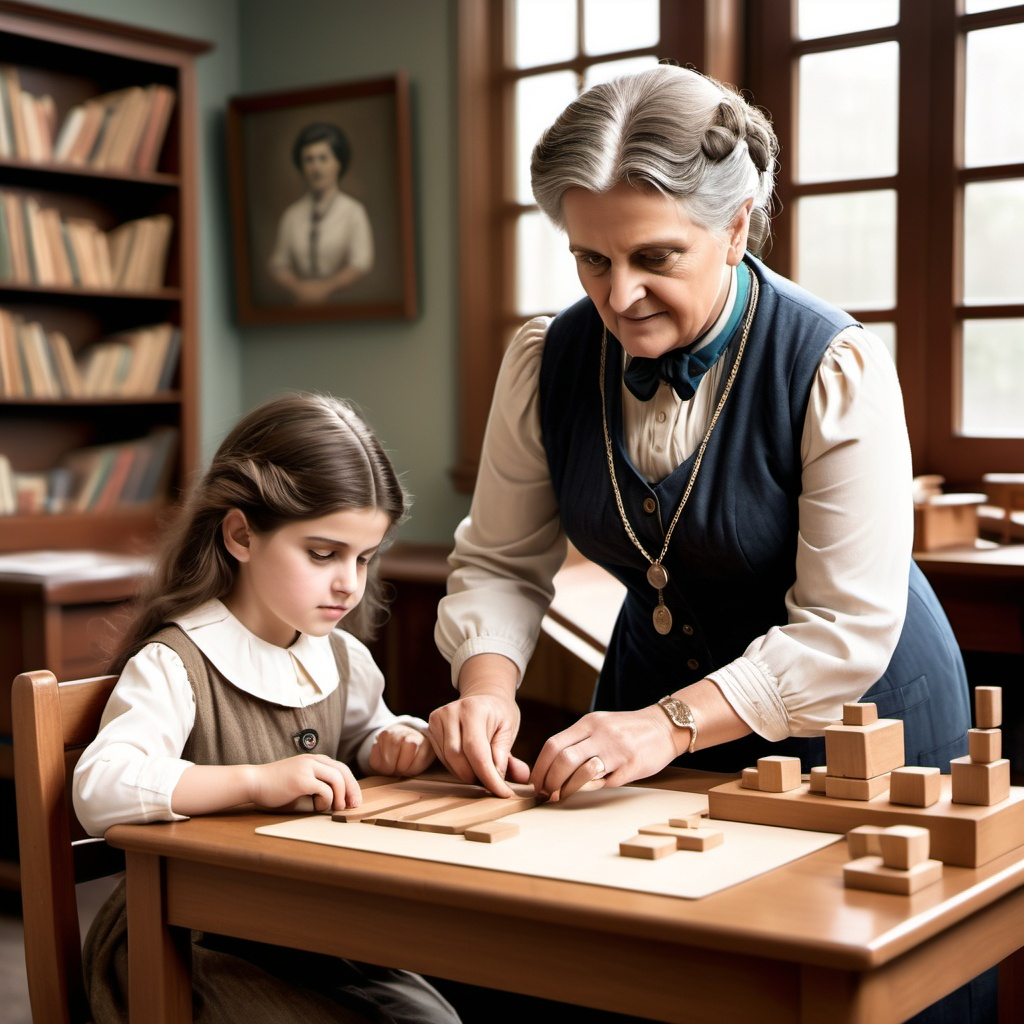
The Montessori classroom is designed to stimulate children, helping them learn through their senses, develop independence, and build confidence in a supportive environment.
Montessori education encourages children to choose their learning materials, fostering responsibility, enthusiasm, and a lifelong love for learning.
By promoting self-discipline, repetition, and freedom to learn, Montessori principles help children gain confidence, independence, and a strong foundation for the future.
Stimulation
Children thrive when they are engaged and stimulated, and the Montessori classroom is specifically designed to foster their full potential.
Learning Through the Senses
Learning becomes more enjoyable and effective when it engages all the senses. Montessori materials are carefully designed to encourage children to explore and absorb knowledge through sensory experiences.
Freedom to Learn
Within the Montessori classroom, children are given controlled freedom to choose their learning materials. This autonomy fosters responsibility, confidence, and enthusiasm for learning.
Independence
Developing independence is essential in shaping a child’s character and personality. It nurtures confidence and self-esteem, contributing to a happy, well-rounded individual.
Interest in Learning
A positive and encouraging learning environment naturally sparks a child’s curiosity and passion for acquiring knowledge.
Self-Discipline
By allowing children the freedom to choose and learn at their own pace, Montessori education fosters self-discipline, helping them develop focus and perseverance.
Repetition
“Repetition is the key to learning.” The Montessori approach encourages children to repeat activities, reinforcing concepts without pressure or fear, ensuring a deep and lasting understanding.